Cambodia Among Countries at Risk From Severe El Niño Climate Shifts, UNICEF Warns
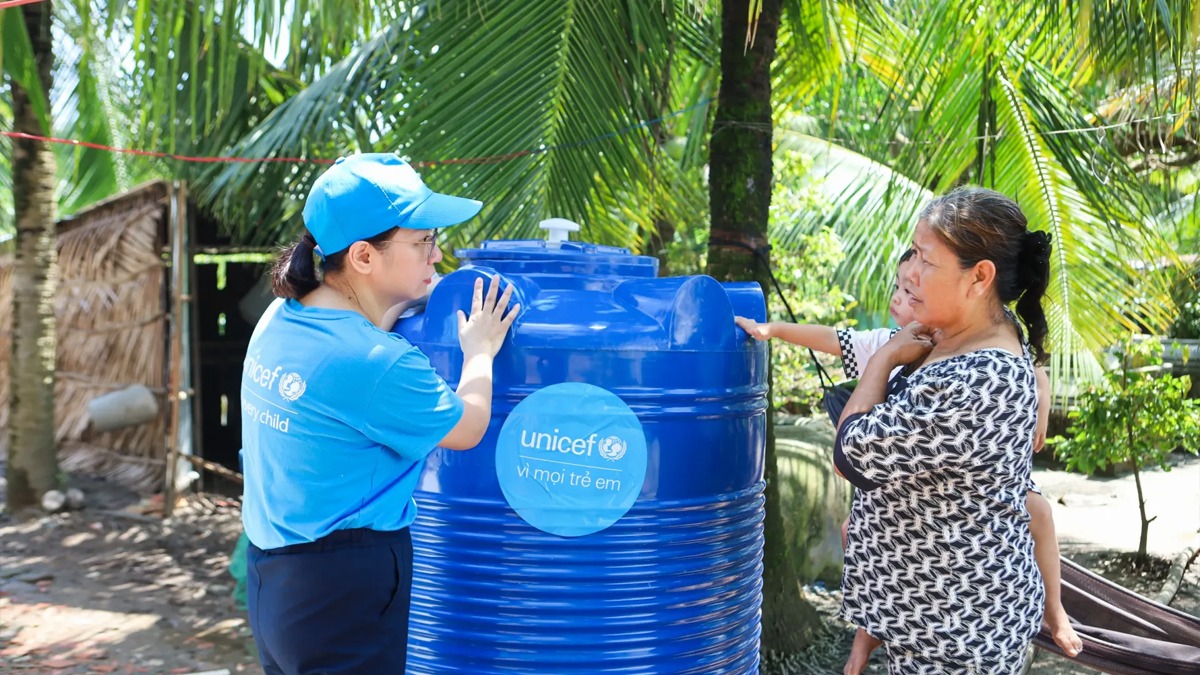
UNICEF estimates that around 1.3 million Cambodian children could be affected by unusually severe weather linked to El Niño, a climate pattern expected to bring extremes from late this year through 2027.
In a statement reported by China's Xinhua news agency on Tuesday, 13 October, the UN children's agency said roughly 190 million children across Southeast Asia and other regions face similar risks.
For families in Cambodia, El Niño can bring prolonged, intense heat and drought. The effects include:
- Shortages of water for everyday needs
- Damaged crops and farmland
- Schools forced to close
- Children falling sick
Health centres are already too few to meet the needs of local communities.
Government Sets Long-Term Development Goals
The UNICEF warning came shortly after Prime Minister Hun Manet said last week that Cambodia will graduate from Least Developed Country (LDC) status on 19 December 2029. He also said the country would reach upper-middle-income status by 2030 and high-income status by 2050, driven by the government's Pentagonal Strategy.
On Tuesday, speaking on National Disaster Management Day, Hun Manet urged relevant authorities to treat natural disasters as a top priority. He called for stronger human resources and equipment to respond to climate-related hazards. He acknowledged that climate change, rapid urban growth and environmental degradation pose a threat to sustainable economic and social development.
What Is El Niño?
According to the US National Oceanic and Atmospheric Administration (NOAA), El Niño, a Spanish term meaning 'the little boy' in reference to the baby Jesus, occurs every two to seven years. It begins when sea surface temperatures in the central and eastern tropical Pacific Ocean run warmer than usual. Winds then push warm surface water from the eastern Pacific westward toward Asia and Australia, while cooler water rises near South America.
The seasonal rainfall shift usually begins between March and June and peaks from November to January. It can last nine to 12 months, or even longer.
Still, Cambodia has an advantage in the Mekong River, which flows through the country and never fully dries up. If the government designs its irrigation systems well, farmland across the country could be better protected from the drought.