Cambodia's Scam Crackdown Still Falls Short as Another Compound Comes Under Scrutiny
Cambodia has not yet shaken off the reputation it has earned abroad for official complicity in online scam operations. International observers widely believe that some government officials have colluded with criminal groups running these fraud compounds.
Cambodian officials fighting fraud, human smuggling, and drug trafficking have tried to make their case to the international community. At a conference in Phnom Penh in September, they presented evidence that the government has broken up large criminal hubs across the country. They said these operations had been protected by powerful figures, including wealthy individuals and members of the ruling Cambodian People's Party.
Separately, Cambodian forces have acted on government orders following Thai military strikes on buildings suspected of housing scam operations. The government had pledged to clear out these sites by the end of the previous month. Authorities arrested ringleaders, their lieutenants, and key aides, detained suspects, and sent back tens of thousands of victims to their home countries. Many Cambodians hope that, with help from partner countries that shared information about scam activity dating back to 2022, the country can gradually rebuild its international reputation in 2026.
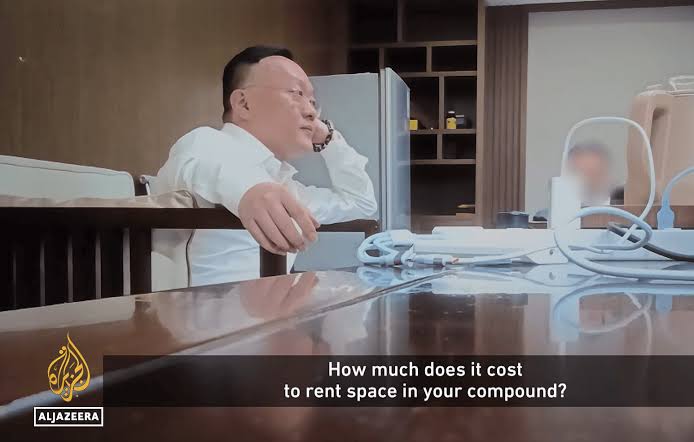
Al Jazeera, the Qatar-based broadcaster, has reported otherwise. On October 10, its investigative team published findings about a scam operation hidden inside Long Bay, a resort development in the Tarasagor project area of Koh Kong province. The site is owned by Chinese businessman Deng Pibing, who holds Cambodian citizenship and goes by the nickname Deng, or "big brother."
According to the report, the compound hosted online fraud, forced labor, human trafficking, and drug use. Reporters said the site was shielded by government officials who had close business ties to Deng Pibing, also known as Big Brother Deng. They noted that these allegations are hard to dismiss because similar reports about the area have circulated since early 2026.
The United States State Department's annual human trafficking report this year downgraded Cambodia to Tier 3, the lowest ranking.
Asian Gaming Brief and other outlets have also reported on Cambodia's standing with the Financial Action Task Force (FATF), the Paris-based global anti-money laundering watchdog. Cambodia was first placed on the grey list for money laundering in 2011 and removed in 2015. It was returned to the list in 2019. In February 2023, the FATF said Cambodia would be taken off the list again. National Bank of Cambodia Governor Chea Serey warned at a meeting with money transfer companies that, unless reforms accelerate, the country faces the real risk of being placed back on the grey list for a third time.
Trade is another pressure point. European industrial partners require Cambodia to enforce strict anti-money laundering and terrorist financing rules. They also require banks to report any single cash transaction above $10,000 and prohibit accounts opened in another person's name to conceal the true owner. Banks must keep records of an individual's account transactions for up to five years after the account is closed.
Authorities, however, say Deng Pibing left Cambodia in May and his whereabouts are now unknown. Cambodia's competent ministry has asked Interpol to issue a red notice for him, which would alert police worldwide to his status as a fugitive. Meanwhile, US law enforcement is looking for Shi Jiajiang (She Jhiijiang), a business partner of Deng Pibing within the Resort Long Bay network. Shi is reportedly close to young tycoon Chen Jhi (Chen Zhi).